Non critical and Selective semicritical Patient care equipments
Light contamination area
Moderate contamination area
Heavy contamination area
Terminal cleaning
EXTENDED ADDITIONAL DISINFECTION
Fogging (Hydrogen peroxide)
Hydrogen peroxide fogging (H2O2) is a decontamination method one of the most efficient and effective ways to eliminate viruses, bacteria, fungi, and other microbes in an environment.
We perform whole-room bio-decontamination using automated vaporized hydrogen peroxide (VHP) dry-fogging to eliminate airborne and surface pathogens in hard-to-reach areas post terminal cleaning and as when required
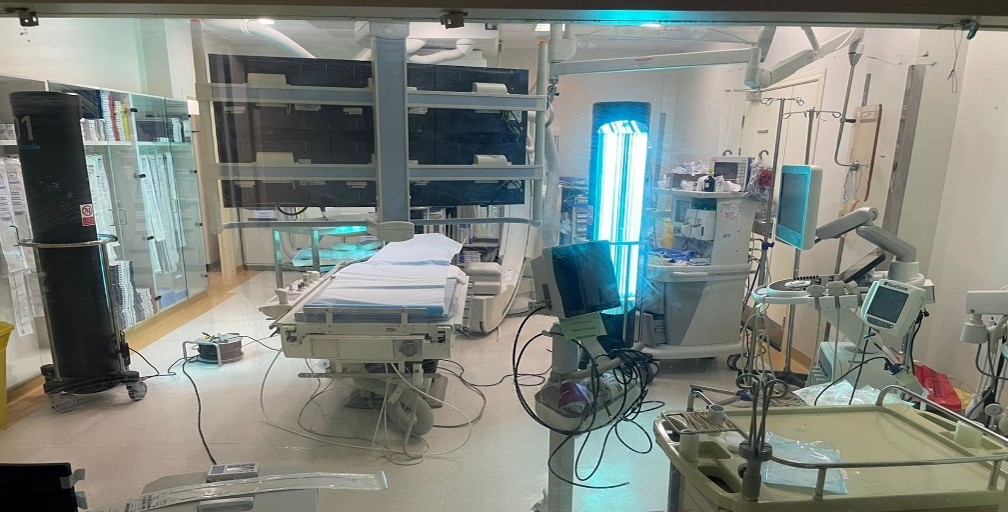
UV-C Air Disinfection
UV-C irradiation is a potential decontaminant against environmental pathogens, including disinfection of surfaces, instruments, and air.
We perform UV-C -ultraviolet germicidal irradiation to supplement our deep-cleaning efforts.
BIOMEDICAL WASTE
LAUNDRY
PEST CONTROL
KITCHEN
Focus area
Hospital and acute care facilities
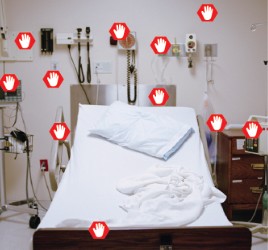
The designation of a patient’s environment varies depending upon the nature of the health care setting. In acute care, the patient environment is the area inside the curtain, including all items and equipment used in his/her care, as well as the bathroom that the patient uses. As well as in intensive care units (ICUs), the patient environment is the room or bed space and items and equipment inside the room or bed space.
HOT-ZONE
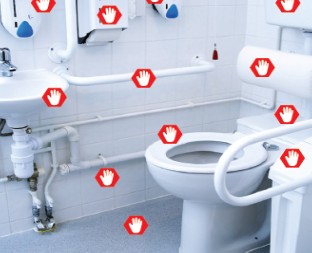
PATIENT REST ROOM
BATH
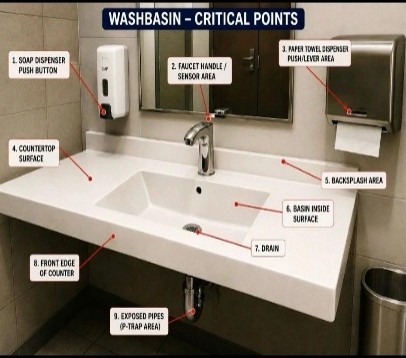
SINK
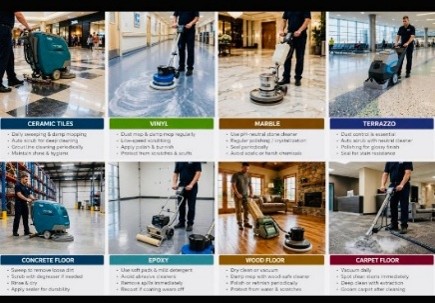
FLOOR CLEANING
DISNFECTION PROTOCOL
Long term care facilities and nursing homes
The designation of a patient’s environment varies depending upon the nature of the health care setting. In long-term care, the resident environment includes the resident’s individual environment (e.g., bed space, bathroom) and personal mobility devices (e.g., wheelchair, walker).
Ambulatory surgical centres
The designation of a patient’s environment varies depending upon the nature of the health care setting. In ambulatory care, the patient’s environment is the immediate vicinity of the examination or treatment table or chair, and waiting areas.
Construction firms (Hospital renovation)
Construction firms renovating hospitals are bound by strict environmental control and safety regulations to protect patients from airborne hazards and infections. Our environmental service staffs take responsibilities focus on active daily debris removal, containment of construction dust, and routine sanitation of the immediate worksite.
CLEANING AND DISINFECTION
Cleaning and Disinfection of medical devises (non -critical and selective semi-critical medical devices)
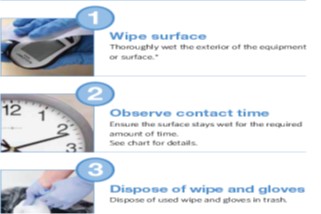
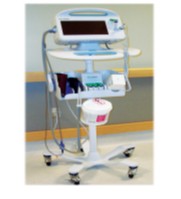
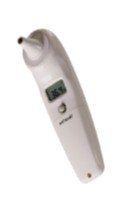
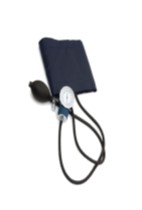
High priority is given for medical devices surfaces to avoid cross transmission and outbreaks of super bug. EVS (Environmental service and staff) now no more use of term called housekeepers personnels. They will be trained to clean and disinfect non critical and selected semi-critical medical devices as per manufactures guidelines or IFU, s. We strictly adhere to use disinfections which is approved by EPA (Environmental protection agency). This new methodology will reduce the burden on nursing and technicians.
Terminal cleaning:
Universal term named Terminal cleaning or deep cleaning for healthcare facilities. Terminal cleaning of hospital rooms after discharge of affected patients includes a sporicidal agent along with no touch automated room disinfection systems.
Terminal cleaning protocol stepwise
Special cleaning protocol for Additional precaution ward or rooms such as mentioned
Biomedical waste:
A strategy needs to be in place to ensure proper management of waste generated and reduction of waste through recycling and reusing.
Colour coded bins
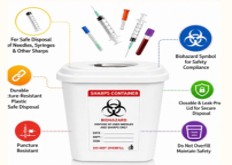
Sharp container
Pest control
Pests such as rodents, cockroaches, flies, mosquitoes, ants and bed bugs can spread infections, contaminate surfaces and compromise patients’ safety. our services provide professional, safe, and effective pest management.
Laundry:
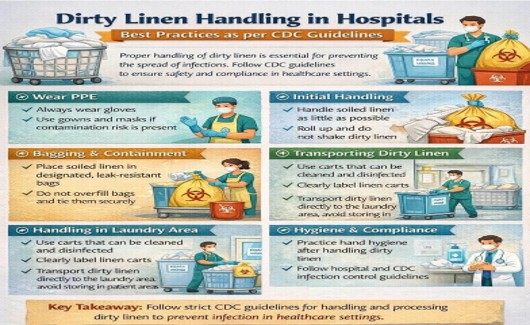
The prevention of infection or injury in patients and health care staff involved in the use, handling or laundering of hospital linen. Although fabrics in healthcare facilities can be a source of large numbers of microorganisms 106-108 CFU/100 cm2, the risk of disease transmission during the laundry process appears to be negligible

![hospital [ focus area ]](https://seicspl.com/wp-content/uploads/2026/06/Picture1.jpg "Services")