HEALTHCARE ENVIROMENTAL SURVEILLANCE

SURFACE EVALUATION

Explore our comprehensive range of offerings designed to enhance healthcare environments and promote patient safety.​

TOOLS FOR SURFACE EVALUATION 0F CLEANLINESS

Assessment and feedback of cleaning performance is a critical part of environmental infection prevention. These methods to assess the thoroughness of routine hospital cleaning and the subsequent effect of cleaning interventions.

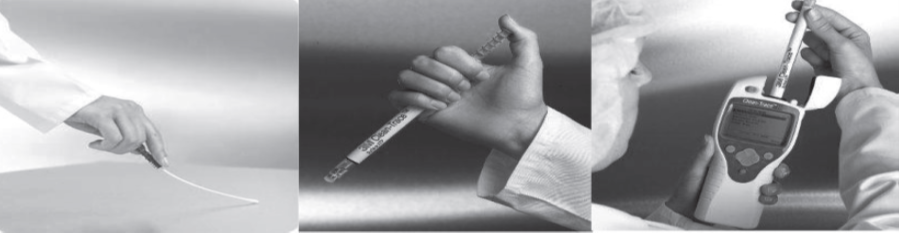
ATP Meters

The measurement of adenosine triphosphate (ATP) levels representing persistence of organic material. Sampling a surface for ATP measures the amount of organic soil present. Quick Provides immediate feedback on performance.
picture2

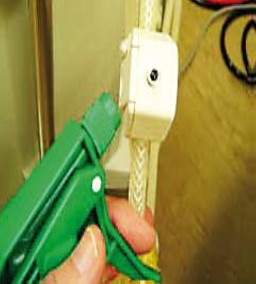
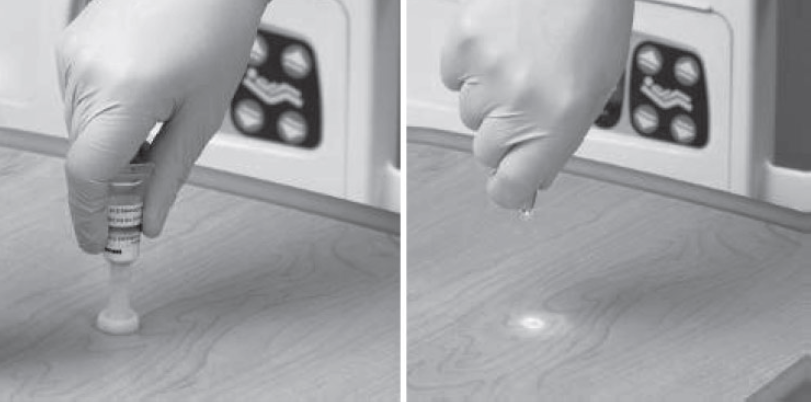
FLORESCENT GEL

The fluorescent gel method demonstrates frequent lack of attention to high-risk surfaces in the near-patient zone. Targeting objects and their subsequent evaluation following cleaning has been shown to take less than two minutes per room for each activity, permitting cleaning evaluation to be undertaken on a large scale
picture3

Fluorescent gel

UV light

SURFACE SAMPLING

Sponge and Moistened swab method:

Environmental sponges and swabs can be used to assess process control & hygiene. This will check (provide verification) if cleaning & sanitation has been done adequately by the operator. Sampling may occur during routine inspection when poor practices are observed. Samples are taken of surfaces, equipment and other items after cleaning & sanitation steps are performed by the operator to assess effectiveness of process. During outbreaks environmental sponges and swabs can be used to assist in pathogen detection. Environmental swabs and sponges can also be used assess the extent of cross-contamination by the pathogen from the source to other surfaces or areas.

Moistioned swab

Sponge method

WATER SAMPLING(OUT SOURCED)

Drinking water (microbial & chemical)

Faecally derived pathogens are the principal concerns in setting health-based Targets for microbial safety. Many microbial and chemical constituents of drinking water can potentially cause adverse human health effects. The detection of these constituents in both raw water and water delivered to consumers is important. The most common and widespread health risk associated with drinking-water is microbial contamination, the consequences of which mean that its control must always be of paramount importance.

DIALYSIS WATER(RO) BACTERIAL & CHEMICAL TESTING
Water treatment plant for haemodialysis commences with the sampling of water from the site where it is expected the water treatment plant will go. It is necessary to know the quality of the water that will be supplied to the unit to identify the type of treatment plant that will be required. Water Guidelines have been designed to ensure quality haemodialysis water is delivered to dialysis machines no matter where patients dialyse. Ensure regular testing and auditing of water treatment system and quality of water produced for dialysis. Bacterial counts are designed to ensure quality haemodialysis water is delivered to dialysis machines.
picture6
picture7
picture8
picture9

Sample collection of dialysis water from dialysis machine

Dialysate Fluid-Endotoxin testing

Endotoxin is the toxic byproduct of gram- negative bacteria. Endotoxins can be present in source water or can occur during the bacterial breakdown process that occurs post disinfection or post ultraviolet radiation. Guidelines for endotoxin counts are designed to ensure quality haemodialysis water is delivered to dialysis machines.
picture10
picture11
picture12

Dialysate fluid collection and processing (Limulus Amebocyte Lysate (LAL)

Dental water (microbial & chemical)

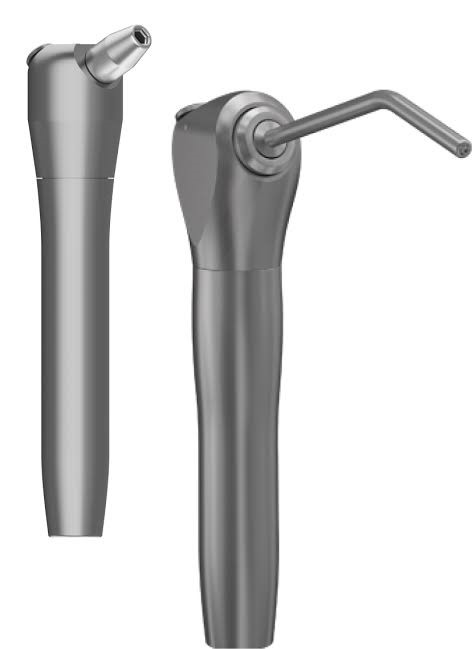
We perform routine microbial testing typically measures Heterotrophic Plate Count (HPC) bacteria from handpieces, ultrasonic scalers, and air/water syringes from the lines. We collect samples for chemical analysis. Parameters to monitor include total dissolved solids (TDS), pH, and specific anions (chlorides, fluorides, nitrates). All samples will be outsourced for analysis, based upon request.
picture13
04

FOOD SAMPLES AND HANDLERS

We perform microbial sampling in hospital kitchens which identifies and quantifies foodborne pathogens. sampling ensures accurate detection of bacteria, fungi, and other contaminants on food contact surfaces and handler surfaces in case of outbreaks.
picture14
picture15
picture16
picture17
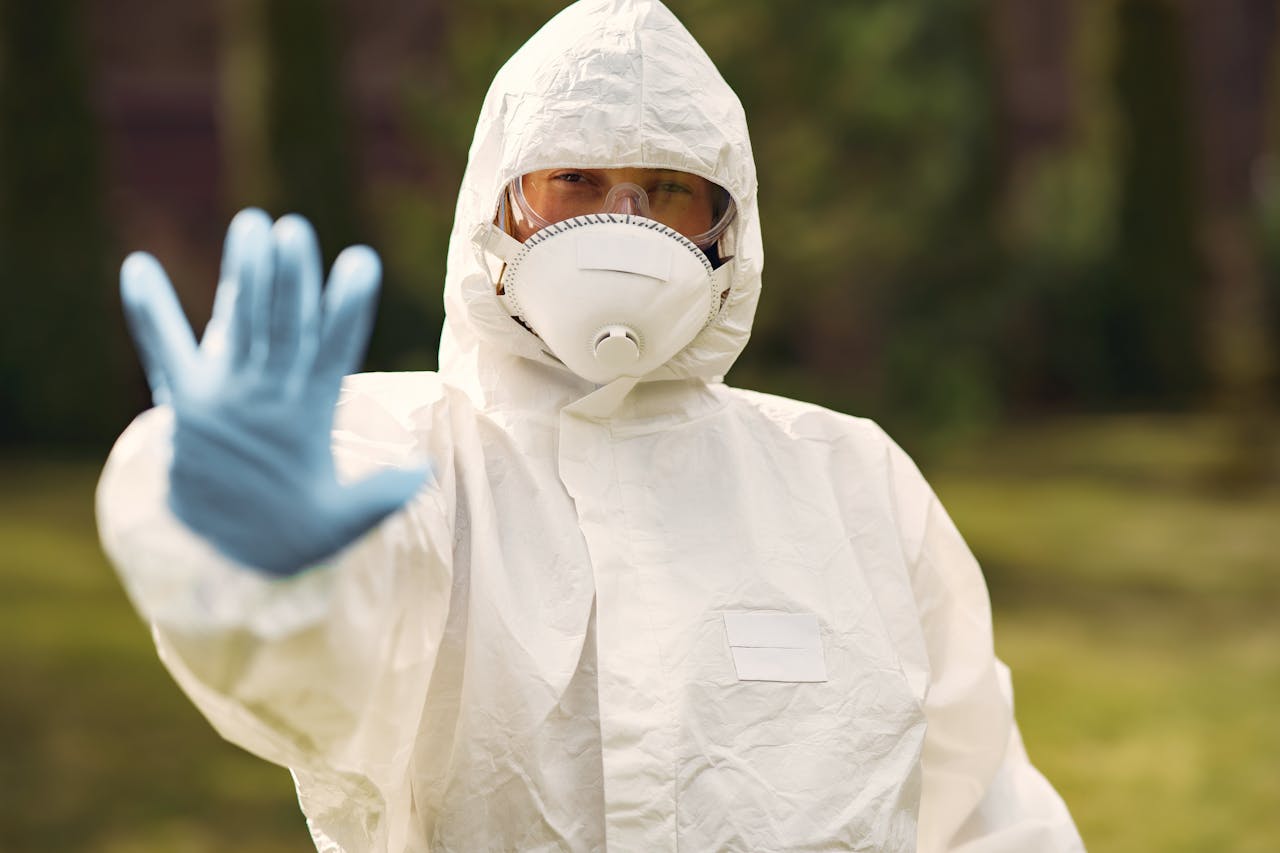
Person in protective equipment outdoors with hand raised, symbolizing caution and safety.

AIR SAMPLING (OUT SOURCED)

Post construction (Passive monitoring-Settle plate)
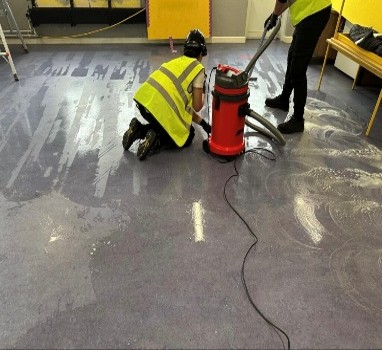
Work site cleanliness. Air samples such as settle plate method may be taken for culture after renovation/construction projects to detect Aspergillus species. We ensure that all samples will be collected by our team and outsourced to accredited labs and all retrieved reports will be handed to respective administration.
picture18
picture19
picture20
Scroll to Top